Whitchurch - Once a thriving town in North Shropshire - part 1 of 2.
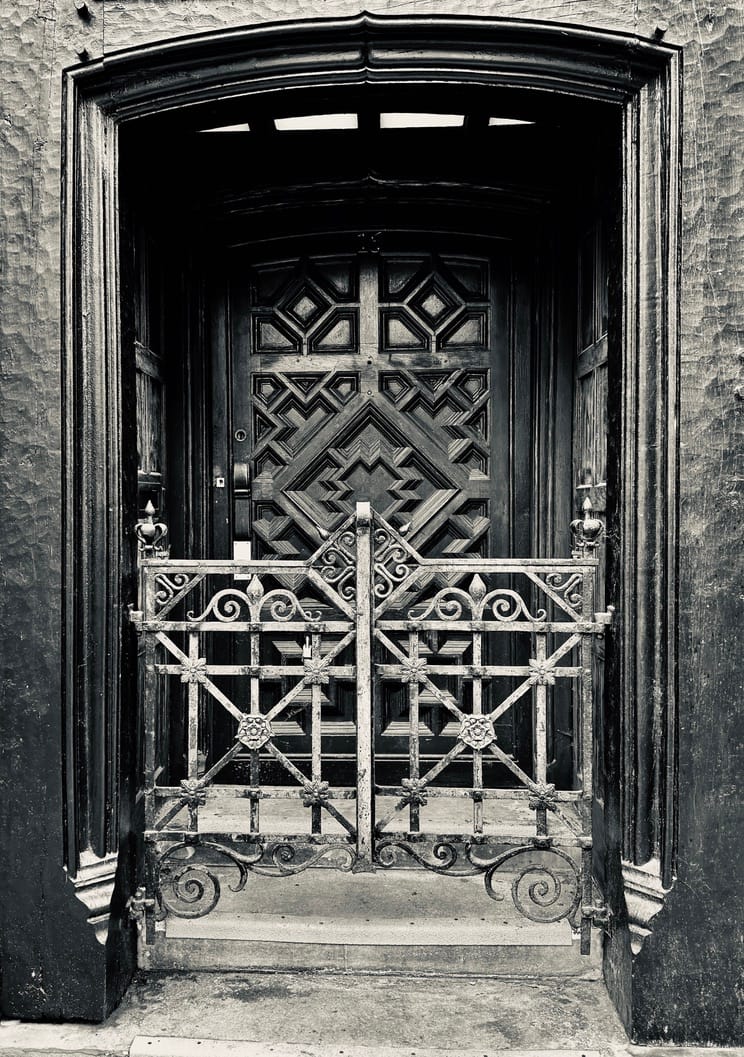
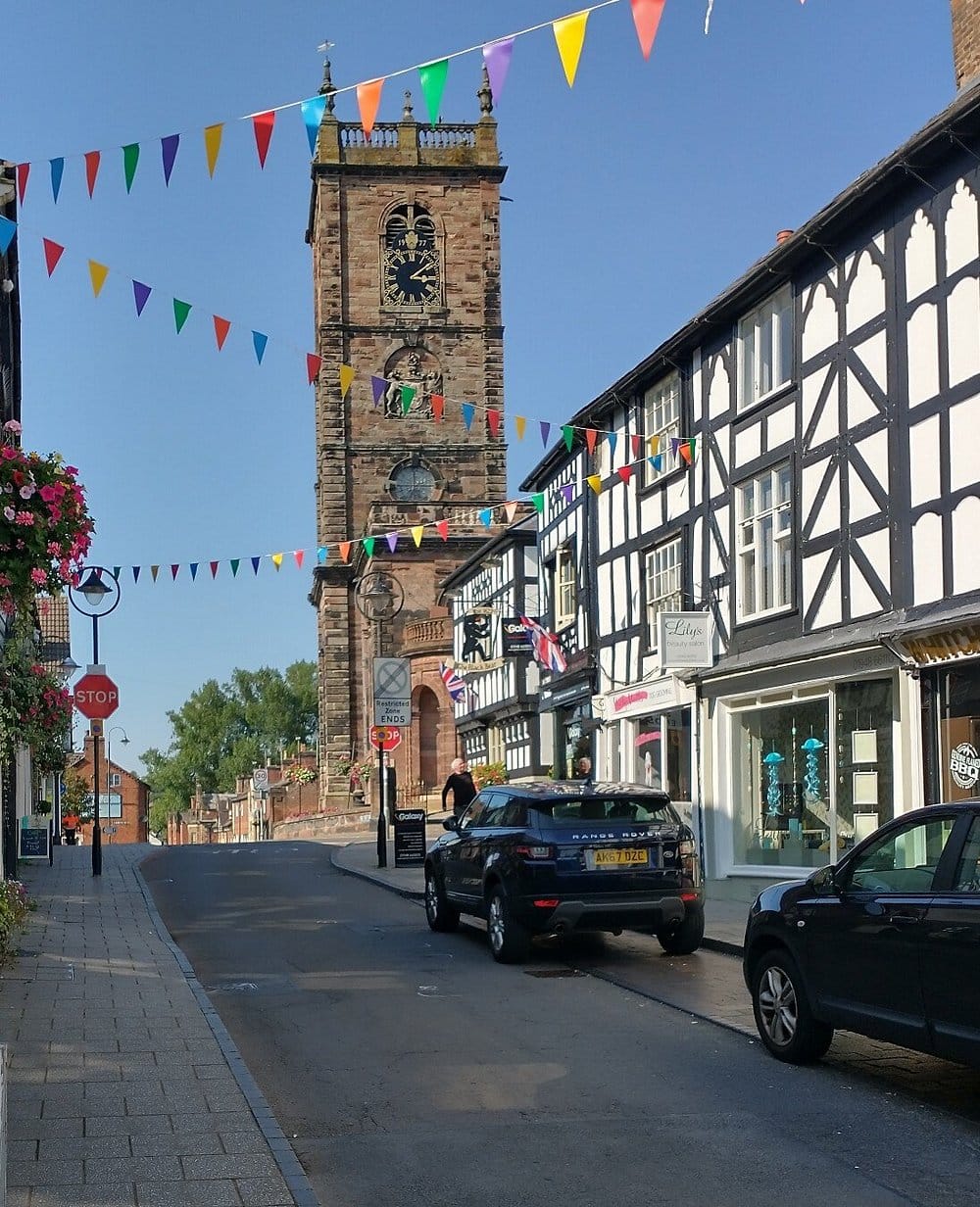
This ornate doorway was the entrance to what was for many years the National Westminster Bank building located on the High Street (built in 1930)!! It makes for an imposing half-timbered, Tudor style, black and white structure standing tall and large from when Whitchurch was a thriving market town. Then serving the local communities, aswell as those of the neighbouring villages from further afield in South Cheshire, North Staffordshire and North East Wales. Settlements such as the City of Chester (20 miles) and the towns of Wrexham (16 miles), Nantwich (10 miles) and the County Town of Shrewsbury (20 miles), significantly bolstered the economy with its twice weekly cattle and produce markets, enhanced by being served with its own station (opened in 1858) on the Cambrian Railways network from the Welsh borders to the South and through to Crewe and Manchester in the North. It was granted its market charter in the early C14th.
Whitchurch is also served by its own arm of the Langollen Canal, giving waterway transport connections to the Midlands, Merseyside and further afield via the Shropshire Union canal. This was thee preferred method of long-distance goods transport up until the early C20th, when railways then became dominant.
The origins of Whitchurch herald from Roman times, founded around AD 60 and then named Mediolanum (midway), as it stood on the important Roman road between Chester and Wroxeter (Shrewsbury), together with its conflence of the road running West into Wales via what is now Wrexham. The continuing evidence of its Roman origins were further enhanced when in 2016-18 quite a number of Roman artifacts were unearthed during work to a culvert running under town.
In more recent times of note during the Second World War a very secret Y station for enemy signals interception operated in Whitchurch at the Old Rectory in Claypit Street, run by the Foreign Office.
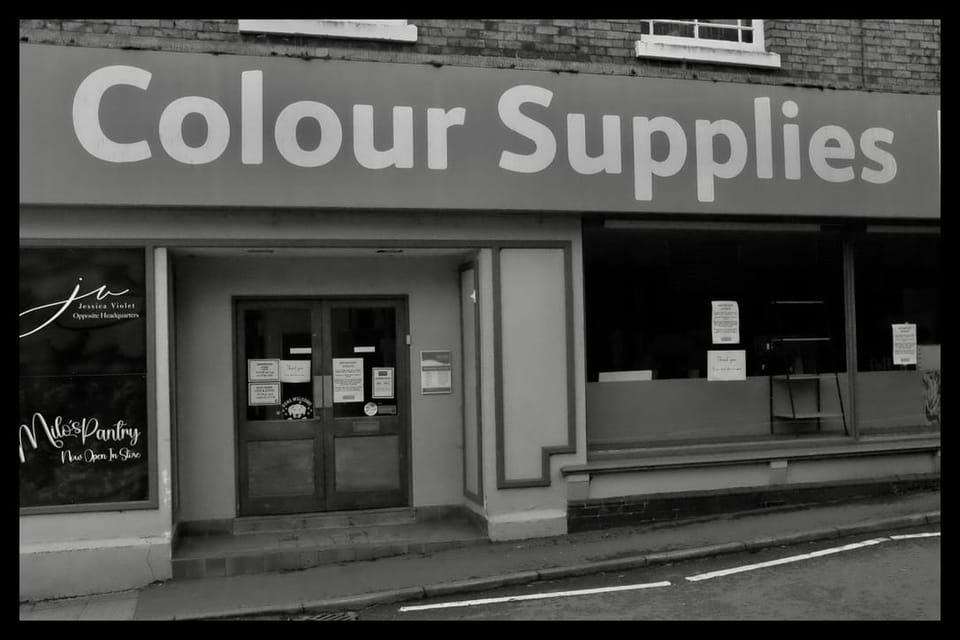
Today sadly, Whitchurch has become somewhat of a backwater, with the cattle and produce market closing in the late 1970's, together with many associated businesses. The main arterial roads of the A41 and A49, which once ran through the town, frequently causing traffic chaos, now ignore it since the new bypass was opened in 1992. Local trader shopping is but a shadow of its former self, yet there are now four newish supermarkets provisioning the population in addition to the now almost moribund Tesco dinosaur, built in the 1980's. And, of course, in keeping with the rest of England, the town centre is now one of charity shops, hairdressers, cafes and estate agents.
However, the railway continues to thrive, since the loss of freight and business services, and despite its lethargic line operator (TfW), it now serves much as a commuter station to Manchester, Liverpool and Merseyside, but without modern facilities and grossly insuffient car parking. Much urgently needed improvements are required.
Residential housing development continues apace under the government's relaxed planning laws, with more than 250 new homes having been built in the last ten years, and with a further 500 planned over the next ten years. Sadly none are of much merit and conform to being treeless, ill-designed barracks within a sea of tarmac covered with motor cars and white vans - where limited space allows.
In addition, the rapid increase in housing has put tremendous pressure on community services, and despite the building of an impressive new medical centre there remains too few GP surgeries and school places at both junior and senior level.
Yes, the Whitchurch population is on the up, but until town and county politicians and their officers gain more awareness of the emerging 'new' world surrounding them, prosperity and pride will be beyond reach. Without attracting new modern businesses and investment, it runs the risk of another bypass being built of the kind that leads to nowhere!